
If you’ve invested in clear aligners to straighten your teeth, you might be wondering what actually happens when you don’t follow the recommended wearing schedule. When you fail to wear your Invisalign aligners for the prescribed duration each day, your teeth won’t move as planned, your treatment timeline will extend significantly, and you may experience discomfort when you do wear them. In severe cases of inconsistent wear, your teeth can shift back toward their original positions, potentially requiring you to restart portions of your treatment or even order new aligners altogether.
Understanding the consequences of inadequate wear time is crucial for anyone undergoing orthodontic treatment with clear aligners. Let’s explore exactly what happens when you don’t give your treatment the time commitment it needs.
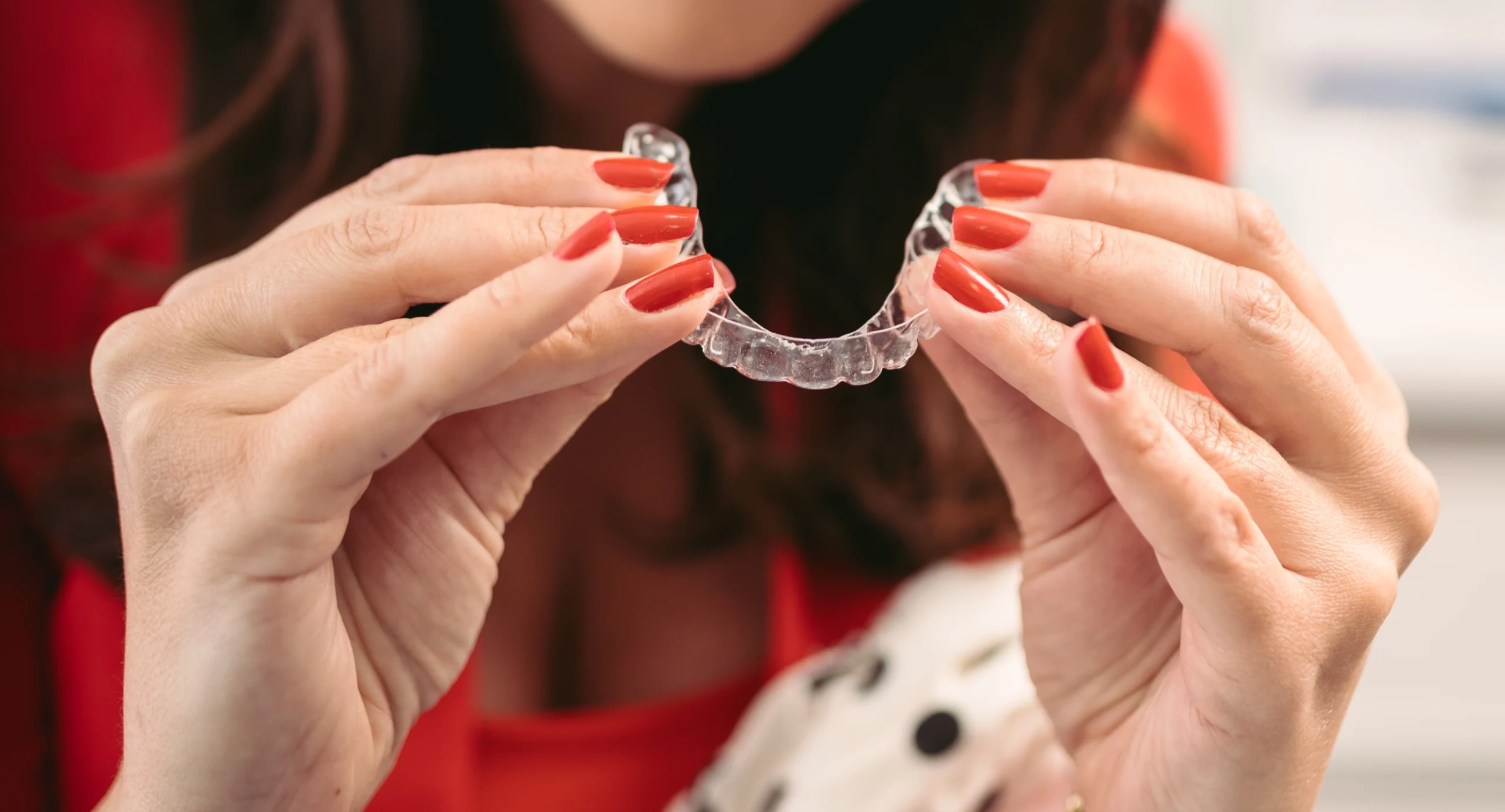
Before diving into what goes wrong with inconsistent wear, it’s helpful to understand how these clear aligners actually move your teeth. Each set of aligners is custom-designed to apply gentle, controlled pressure on specific teeth. This pressure gradually shifts your teeth into their desired positions over time.
The science behind tooth realignment relies on continuous pressure. When sustained force is applied to a tooth, it creates a biological response in the bone surrounding the tooth root. The bone on one side breaks down while new bone forms on the other side, allowing the tooth to move. This process, called bone remodeling, requires consistent pressure to work effectively.
When you remove your aligners for extended periods, this bone remodeling process gets interrupted. The teeth can begin to shift back toward their original positions because the surrounding tissues haven’t fully adapted to their new location yet.
We recommend wearing your aligners for 22 hours a day for very specific reasons. This leaves you just two hours daily for eating, drinking anything other than water, and cleaning your teeth. While this might seem restrictive, this timeframe is calculated based on the biology of tooth movement.
The 22-hour requirement ensures that your teeth receive nearly continuous pressure throughout the day and night. This consistent force is what triggers the bone remodeling process that actually moves your teeth. When aligners are worn for this duration, each set can accomplish its intended movement within the prescribed one to two weeks.
Falling short of this requirement – even by a few hours – can dramatically impact your results. If you only wear your aligners for 18 or 19 hours daily, you might think the difference is minimal, but those extra few hours of missed wear time compound over days and weeks.
The effects of not wearing your aligners as prescribed can range from minor delays to major setbacks in your treatment journey. Understanding these consequences can motivate you to stay on track with your wearing schedule.
One of the most immediate consequences is that your treatment will take longer than originally planned. If your teeth aren’t receiving adequate pressure, they won’t move as quickly as anticipated. What was supposed to be a 12-month treatment could easily stretch to 15, 18, or even 24 months if you frequently skip wearing time.
When you wear your aligners inconsistently, you’ll likely experience more pain and discomfort. Each time you put the aligners back in after an extended break, you’re essentially restarting the pressure application. This creates a cycle of discomfort as your teeth repeatedly adjust to pressure, relax, and then must adjust again.
“Tracking” refers to how well your aligners fit your teeth. With consistent wear, your aligners should fit snugly and track properly with your teeth. However, if you skip wearing them regularly, your teeth won’t move as planned, and the aligners may become loose or not fit correctly. Poor tracking means the aligners can’t apply pressure effectively, further delaying your progress.
Perhaps the most frustrating consequence is when your teeth begin to shift back toward their original positions. Without continuous wear, the bone and tissues around your teeth haven’t had sufficient time to stabilize in their new positions. They can quickly regress, undoing weeks or months of progress.
Many patients worry intensely when they realize they’ve missed wearing aligners for just a few hours beyond their usual schedule. The good news is that occasionally falling short by a small margin isn’t catastrophic to your treatment process. If you remove your Invisalign trays for a special event or unexpected situation and end up wearing them for 19 or 20 hours instead of 22, you haven’t derailed your entire journey toward a confident smile. The key word here is “occasionally” – missing your prescribed wear schedule by a few hours once or twice throughout your entire Invisalign treatment won’t significantly impact your final results.
However, if you’re removing your Invisalign aligners occasionally for extended periods or this becomes a pattern, those missed hours accumulate quickly and can create the serious consequences discussed earlier. Think of it like a savings account: missing one deposit won’t ruin your financial goals, but consistently skipping deposits will. If you do have an unavoidable situation where you can’t meet your wearing schedule, simply get back on track immediately and consider extending that particular set of aligners by an extra day or two. Don’t stop your Invisalign treatment early or skip to the next set if you’ve had inconsistent wear during the current phase.
Let’s be honest – wearing something in your mouth for 22 hours every day isn’t easy. Life gets busy, social situations arise, and sometimes you simply forget. Common challenges include:
Recognizing these challenges is the first step toward overcoming them and achieving optimal results from your treatment.
Completing your Invisalign treatment requires dedication and practical strategies to ensure you’re meeting the 22-hour daily requirement.
Maintaining good oral hygiene is essential during Invisalign treatment, but it shouldn’t become an excuse for excessive aligner removal. Some patients overthink the cleaning process and end up leaving their aligners out for extended periods.
The reality is that brushing and flossing should only take a few minutes. After meals, you need to clean your teeth before reinserting your aligners, but this entire process – including eating – should fit within your daily two-hour window without aligners.
If you’re struggling to balance oral hygiene with your wearing schedule, consider keeping a travel toothbrush and toothpaste with you at all times. This makes it easier to quickly clean your teeth wherever you are, allowing you to get your aligners back in promptly.
If you’ve had several days or weeks of inconsistent wear, don’t try to hide it or push through to the next set of aligners. Contact your orthodontist immediately. They may recommend:
Being honest with your orthodontist about your wearing habits allows them to adjust your treatment plan accordingly and prevent more serious complications.
At One Family Dental, our team guides you through every step of your Invisalign journey, ensuring comfort, clarity, and confidence along the way. With personalized care and advanced technology, we focus on creating a healthy smile that looks and feels natural. Our attention to detail and commitment to your progress help ensure a smooth, successful treatment so you can enjoy beautifully aligned teeth and long-lasting results.
Many patients wonder whether the flexibility of clear aligners compared to traditional metal braces makes compliance less critical. However, the reality is that Invisalign success depends entirely on your discipline with prescribed wear time. While aligners are typically worn for 22 hours a day, including overnight, the removable nature creates opportunities for frequent removal that can sabotage treatment progress.
Skipping aligner wear, even for a few hours regularly, creates a cascade of problems: teeth shift back toward their original tooth position, aligners develop a poor fit, the reversal process undoes weeks of progress, and you face slow progress or complete treatment failure. The constant pressure required for treatment efficiency simply cannot be maintained without consistent wear time, and what starts as occasional missed time on special occasions can quickly delay treatment by months or even necessitate restarting treatment entirely. Unlike traditional metal braces that work continuously without patient intervention, your Invisalign aligners depend on your commitment to your aligner schedule every single day.
Beyond following your prescribed routine, remember to maintain excellent oral health practices – use a soft toothbrush, address any gum disease with your dentist, and expect mild soreness as a normal sign that your treatment is working. The beauty of Invisalign lies not just in its aesthetic appeal but in its effectiveness when used correctly. Treatment time doesn’t have to be longer than planned, and treatment success is absolutely achievable when you prioritize constant wear and resist the temptation of frequent removal. Your journey to a confident smile is a partnership between the advanced technology of your aligners and your daily dedication to wearing them as directed. Every hour of commitment brings you closer to the straight, beautiful smile you’ve been envisioning.